Understanding Local Food Systems in California
California's local food systems are intricate and reflect a rich tapestry of cultural diversity and agricultural practices. Understanding these systems is essential for promoting sustainable food practices and supporting local communities.
The Framework of Local Food Systems
Local food systems typically encompass the production, processing, distribution, and consumption of food within a defined geographical area. According to the USDA, these systems often emphasize the importance of connections between local farmers and consumers. Research indicates that when consumers support local agricultural initiatives, they contribute to regional economies and foster community relationships.
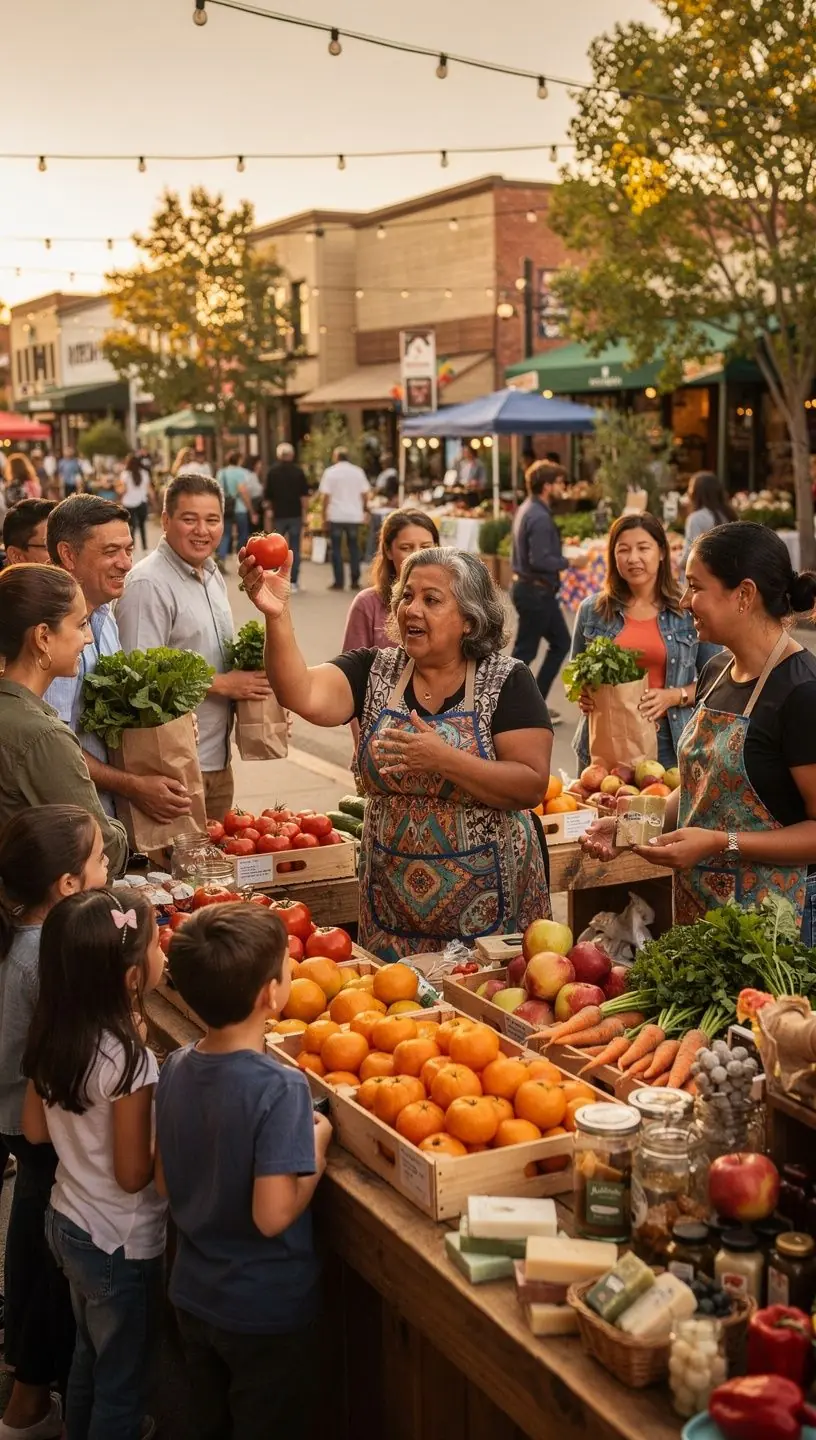
"Local food systems not only provide fresh produce but also strengthen community ties and create economic resilience." - Agricultural Policy Expert
Key Components of California's Food Systems
California's food systems are characterized by several key components:
- Farm-to-Table Initiatives: Many restaurants and markets prioritize sourcing locally, which often leads to fresher, seasonal offerings.
- Community Supported Agriculture (CSA): CSA programs allow consumers to subscribe to receive regular deliveries of local produce, supporting farmers directly.
- Food Hubs: These are organizations that aggregate, distribute, and market local food products, making it easier for consumers to access local goods.
Challenges in Local Food Systems
While California's local food systems have many advantages, they also face several challenges:
- Seasonality: Local products may be available only during specific seasons, which can limit options for consumers.
- Access and Affordability: In many cases, local foods can be more expensive than mass-produced options, potentially limiting access for lower-income households.
- Infrastructure Needs: Efficient distribution systems are essential for connecting producers with consumers, which often requires investment and policy support.
Conclusion
In conclusion, understanding local food systems in California requires a recognition of their complexity and the multiple factors at play. By engaging with these systems, individuals can contribute to more resilient communities and sustainable practices. Efforts to support local agriculture are often most effective when informed by a comprehensive understanding of both the benefits and challenges involved. Engaging with local food initiatives can take time and commitment, but the rewards are significant for the community and the environment.